Freud did not invent the idea of a
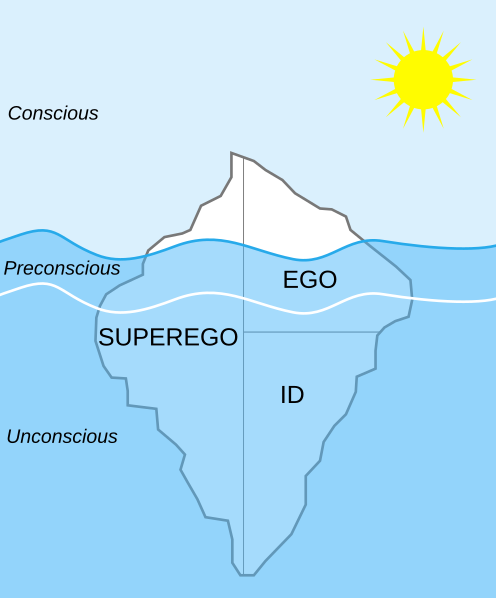
conscious and unconscious mind; he merely popularized it. He likened his theory
of the unconscious to that of an iceberg, the conscious mind being the
miniscule, exposed half, the tip of it. Whereas the unconscious mind is made up
of the massive submerged half. The unconscious mind contains all of our
biologically based instincts Eros and Thanatos, our primal urges for sex and
aggression respectively. These instincts and primitive impulses our repressed,
however, Freud believed that these impulses are always dormant.
 |
| by Joël, Evelyñ, François |
The unconscious is composed of three
structural elements within the mind: the id, ego, and superego. The id is the equivalent
to the devil one’s shoulder, representing the instinctual primitive impulses and
instant gratification. It is characterized as disregardful to external forces
such as time and reality; it has no care for the needs of others, only its own
satisfaction. The id is most dominant during childhood, specifically from
birth. Children have raw senses and at that age, the pleasure principle is
bliss for them; the id wants whatever feels good at the time. When a child is
hungry, the id wants food, and then the child cries. Whatever the child needs
are at the time, it will cry, whether it’ll be needing a change, in pain, hot,
cold, or neglected, it will cry until its needs are met.
In the next few years, when the child is
around three or four, the second part of their personality will once they’ve
interacted with the world long enough: the ego. Then, when they turn five and
reached the end of the phallic stage of their development, they would have
begun developing the superego personality. The superego is the conscience, the
angel on one’s shoulder, the moral center to counteract the id and keep it in
check.
However, the superego is also social
acquired, given that it takes a few before a child can understand social
conventions and morality. Because of this, the previously unacceptable and
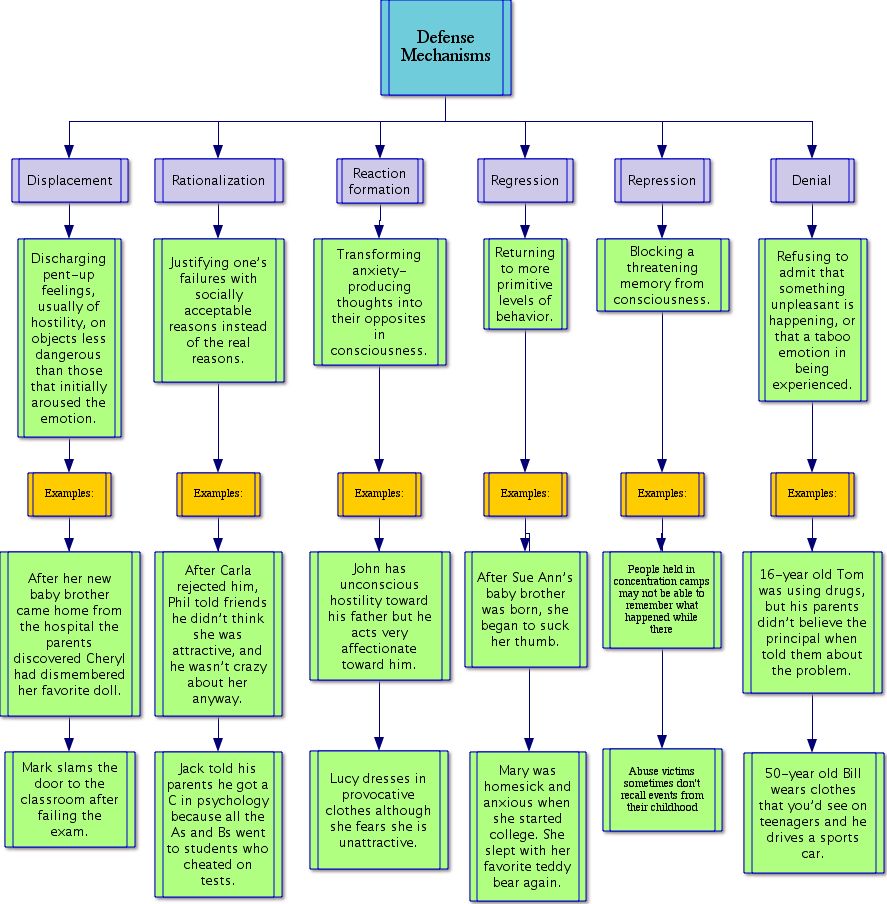
immoral behaviors that used to be exhibited by the id are now repressed; it’s
one of the most fundamental defense mechanisms in regulating behaviors it deems
reprehensible. Unacceptable thoughts, emotions, and memories are never
destroyed; they are only repressed and stored in the unconscious. Because of
this, these unacceptable thoughts and emotions of symbolic significance
occasionally resurface via slip of the tongue or the ‘Freudian slip’.
The ego serves as the mediator between
the superego and the id, and is considered the strongest personality in a
healthy person. It assesses the situation of satisfying the needs of the id and
not upsetting the superego, however, it must also ensure that it maintains
balance between the two personalities lest one dominates the other. If the id
becomes too strong, the person would lead an impulsive life of
self-gratification, or if the superego were dominant, the person would be
unbending, judgmental, and driven by rigid morals.


No comments:
Post a Comment